Professional Floor Sealing in London
Specialist sealing for natural stone, limestone, travertine, slate, tile, concrete and grout across London. We assess the surface, porosity and existing treatment before selecting and applying the correct sealer.
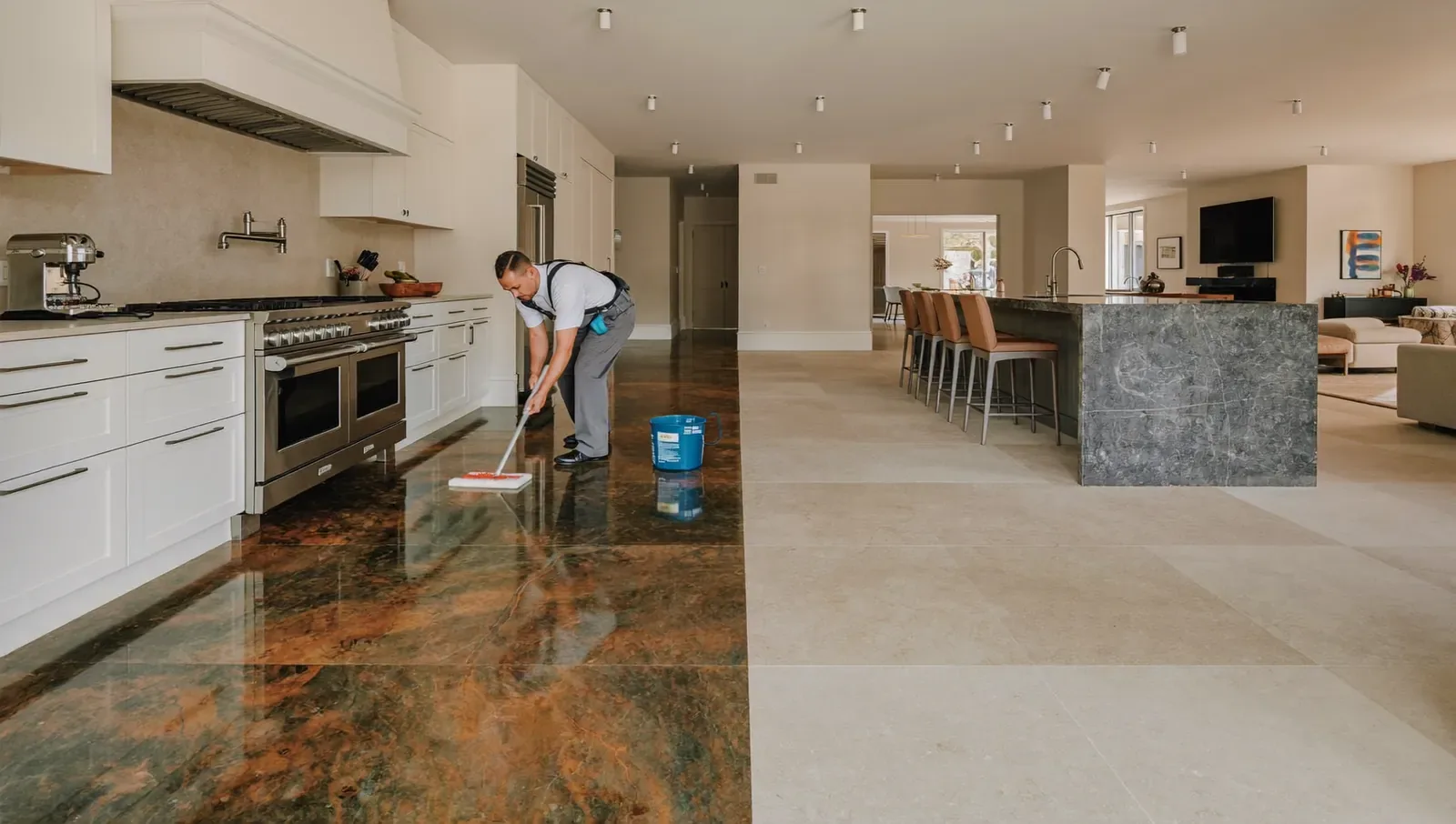
sealing recommendation
Protect Porous Floors Before Stains Become Permanent
Natural stone, grout and many unglazed floor surfaces absorb liquids, oils and fine contamination. Correct sealing reduces absorption and makes maintenance easier. It does not waterproof a floor or provide permanent protection, so the product must match the surface and setting.
Reduce Liquid Absorption
A suitable sealer slows the penetration of spills into porous stone, tile, concrete and grout.
Make Routine Cleaning Easier
Properly protected surfaces release everyday soil more readily and require less aggressive maintenance.
Protect Grout Lines
Grout sealing reduces the rate at which joints absorb grease, moisture and embedded contamination.
Avoid Failed Coatings
Old wax or unsuitable topical products can yellow, peel or wear unevenly and must be removed first.
Match the Correct Finish
Natural, colour-enhancing and selected topical finishes have different uses and limitations.
Protect the Work Beneath
Sealing is most effective after the floor has been correctly cleaned, repaired or refined.
Floor Cleaning Before Sealing
A sealer should never be applied over dirt, moisture, old wax or failed coatings. Preparation determines whether the treatment bonds and performs correctly.
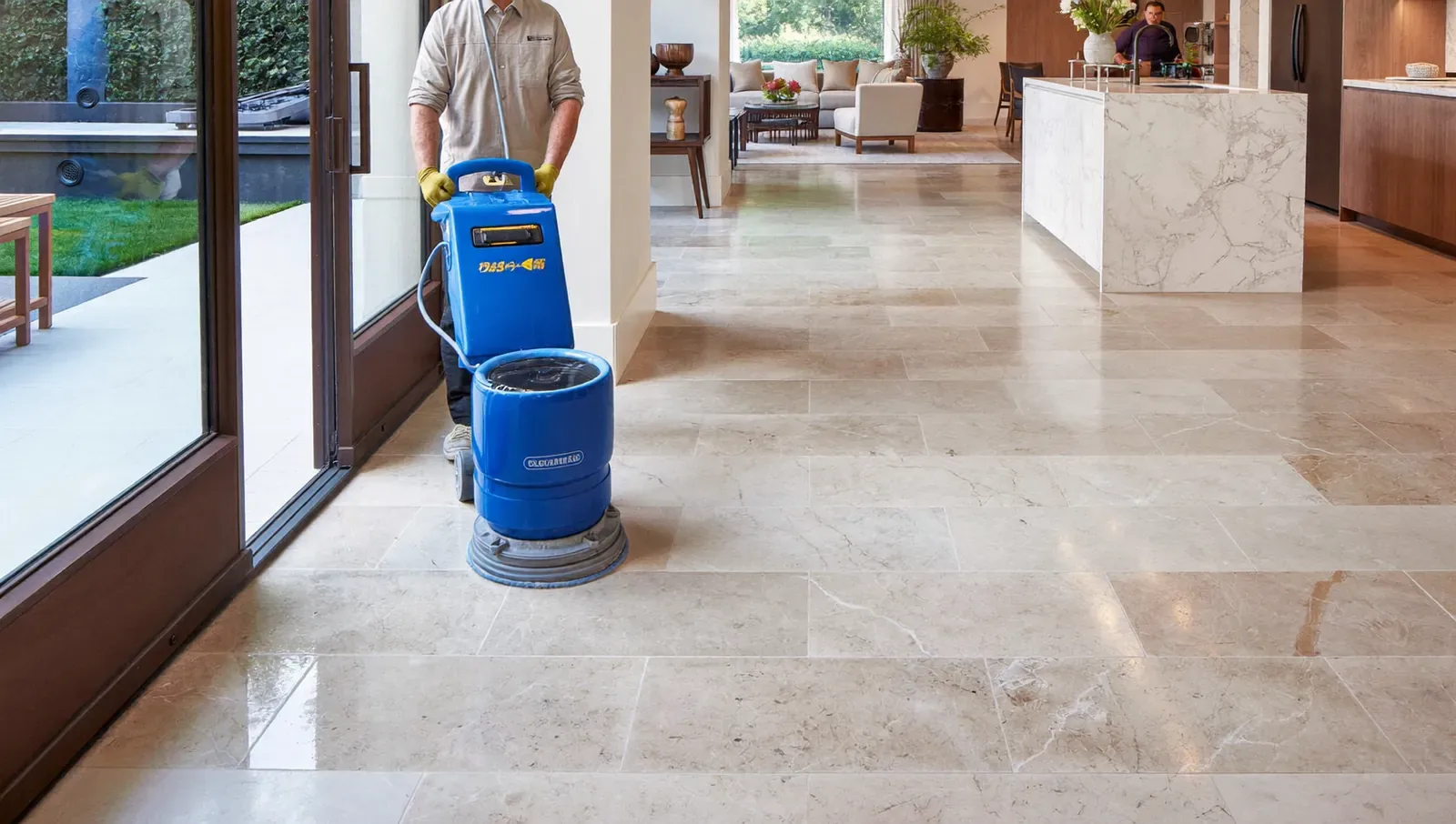
We Prepare the Surface Before Applying Sealer
The floor is inspected, cleaned and allowed to dry fully. Existing treatments are identified and removed where required, while stains, grout deterioration and physical damage are addressed before they are sealed beneath a new finish.
- Floor identification and porosity testing
- Removal of old wax, polish or failed sealer where needed
- Deep cleaning and targeted stain treatment
- Moisture check before application
Our Professional Floor Sealing Process
The exact process is adapted to the floor material, existing treatment, porosity and intended use.
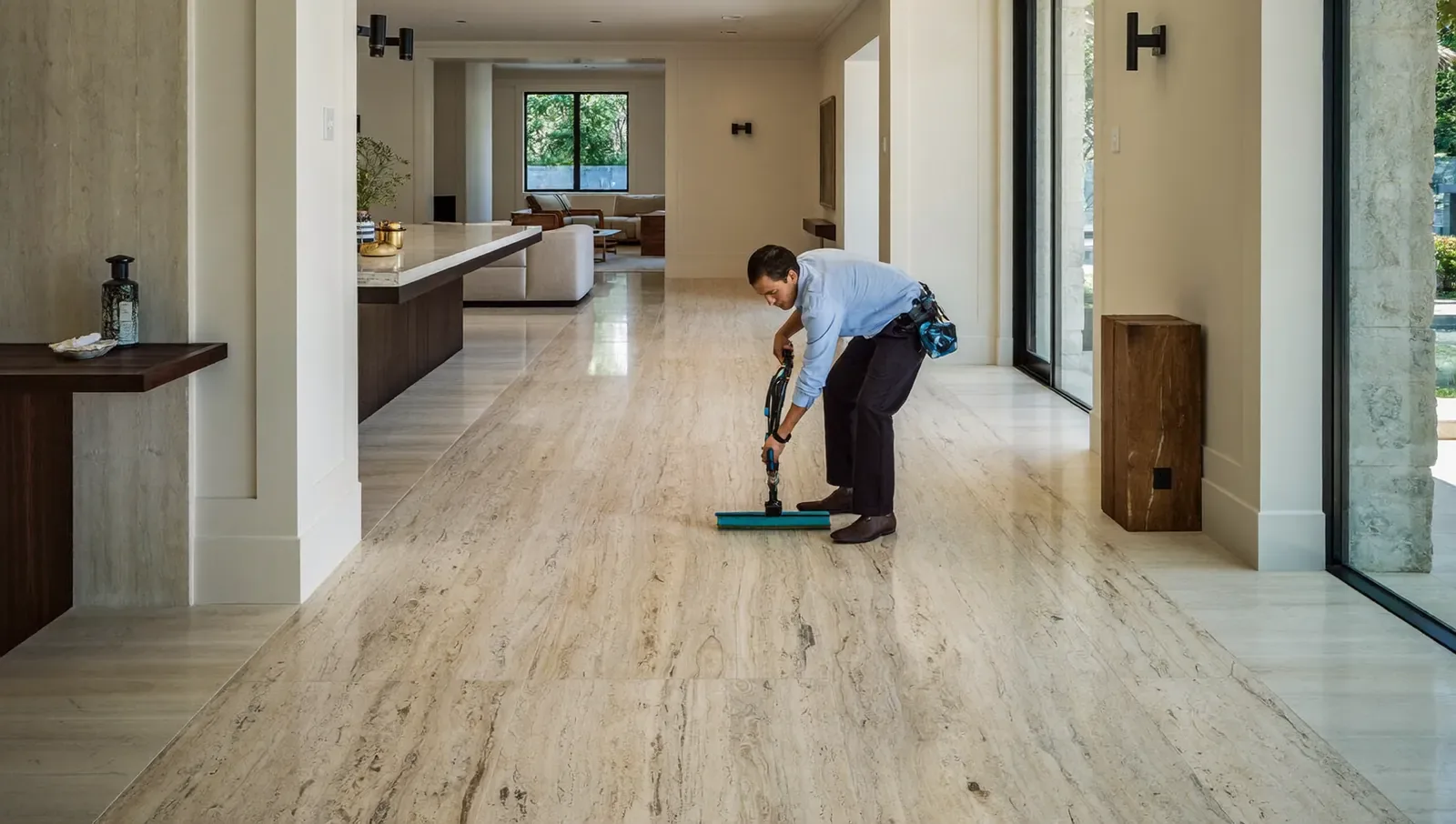
Floor Identification and Porosity Test
We identify the surface and assess how quickly it absorbs moisture before selecting a sealer category.
Condition and Existing Treatment Check
Old coatings, stains, cracks, grout issues and previous sealers are reviewed before work begins.
Protection and Preparation
Adjacent surfaces are protected and unsuitable wax, polish or failed sealer is removed where required.
Deep Cleaning and Extraction
Suitable chemistry and professional equipment remove embedded contamination and residues.
Drying and Moisture Confirmation
The floor is allowed to dry fully before any sealer is applied.
Test Area and Sealer Selection
Where useful, a test area confirms appearance and compatibility before full application.
Controlled Sealer Application
The selected product is applied evenly in the number of coats required by the surface.
Final Buff, Inspection and Aftercare
Excess product is removed where necessary and you receive guidance on curing and maintenance.
Stone, Tile, Concrete and Grout Sealing
Different surfaces require different chemistry. We do not use one universal sealer across every material.
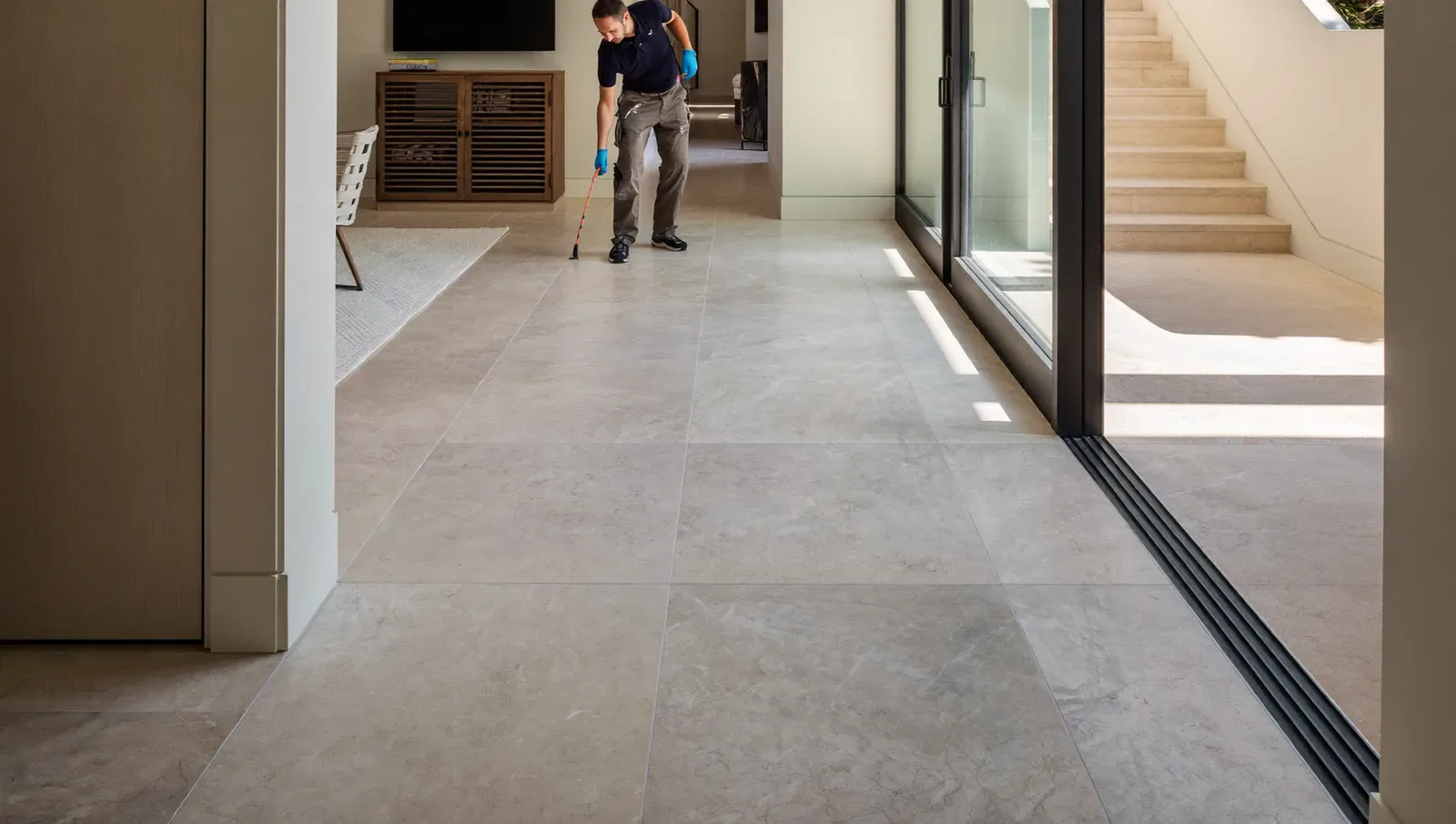
Limestone Floor Sealing
Penetrating protection selected for porous, acid-sensitive limestone after correct cleaning and drying.
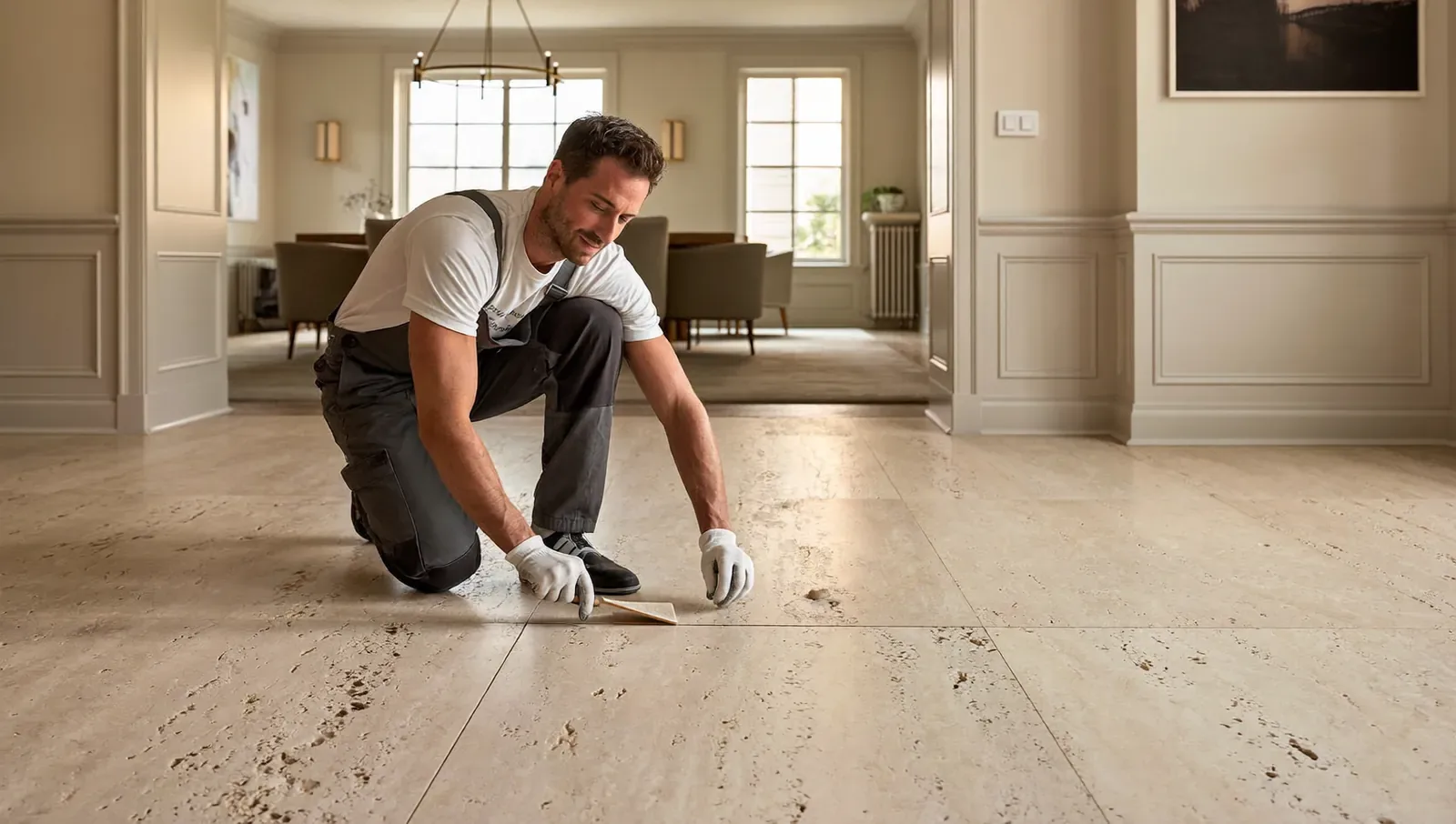
Travertine Floor Sealing
Suitable protection for honed, polished, filled or textured travertine, with breathable options considered where appropriate.
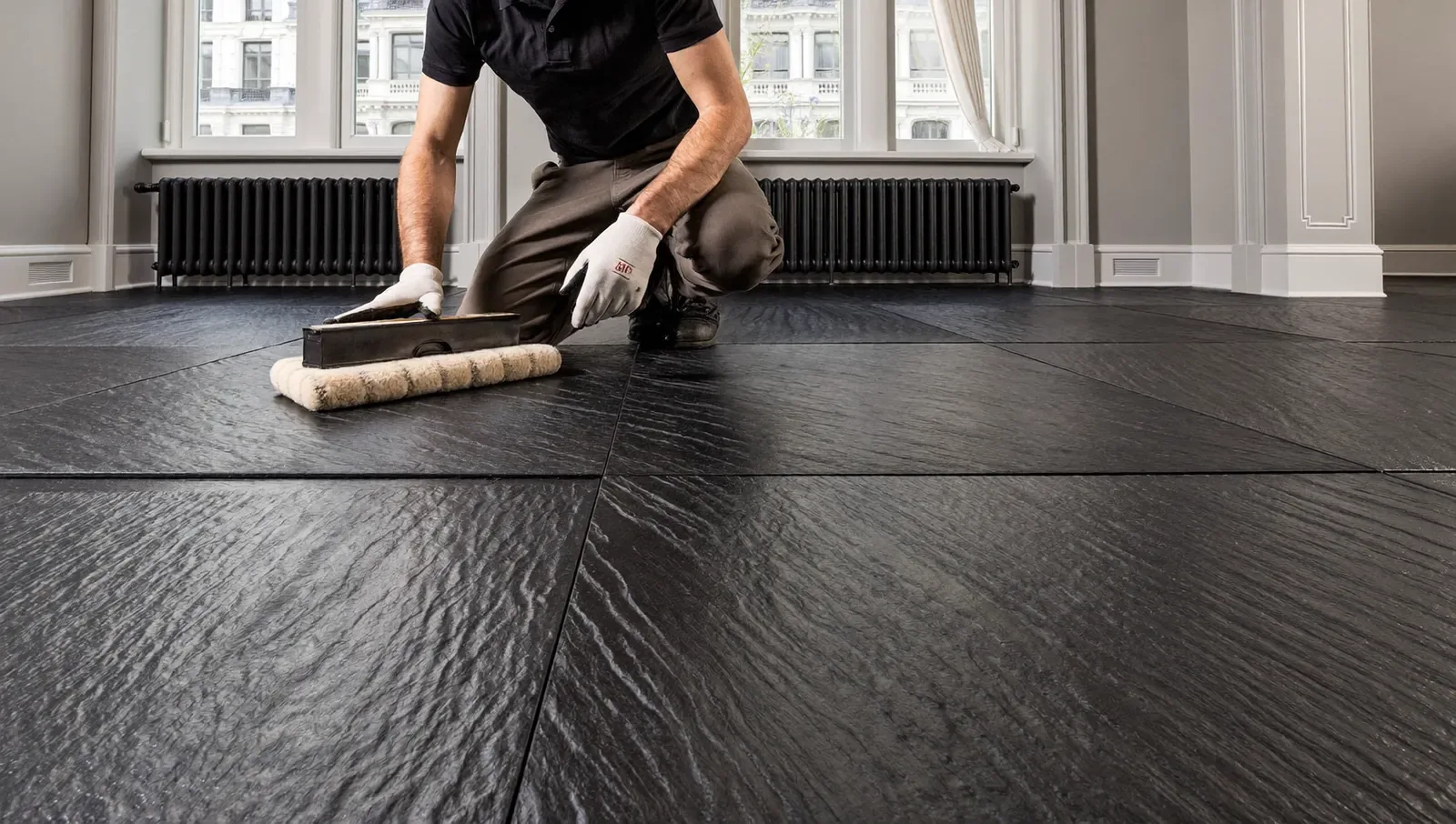
Slate Floor Sealing
Natural, colour-enhancing or selected topical finishes matched to riven, honed or smooth slate.
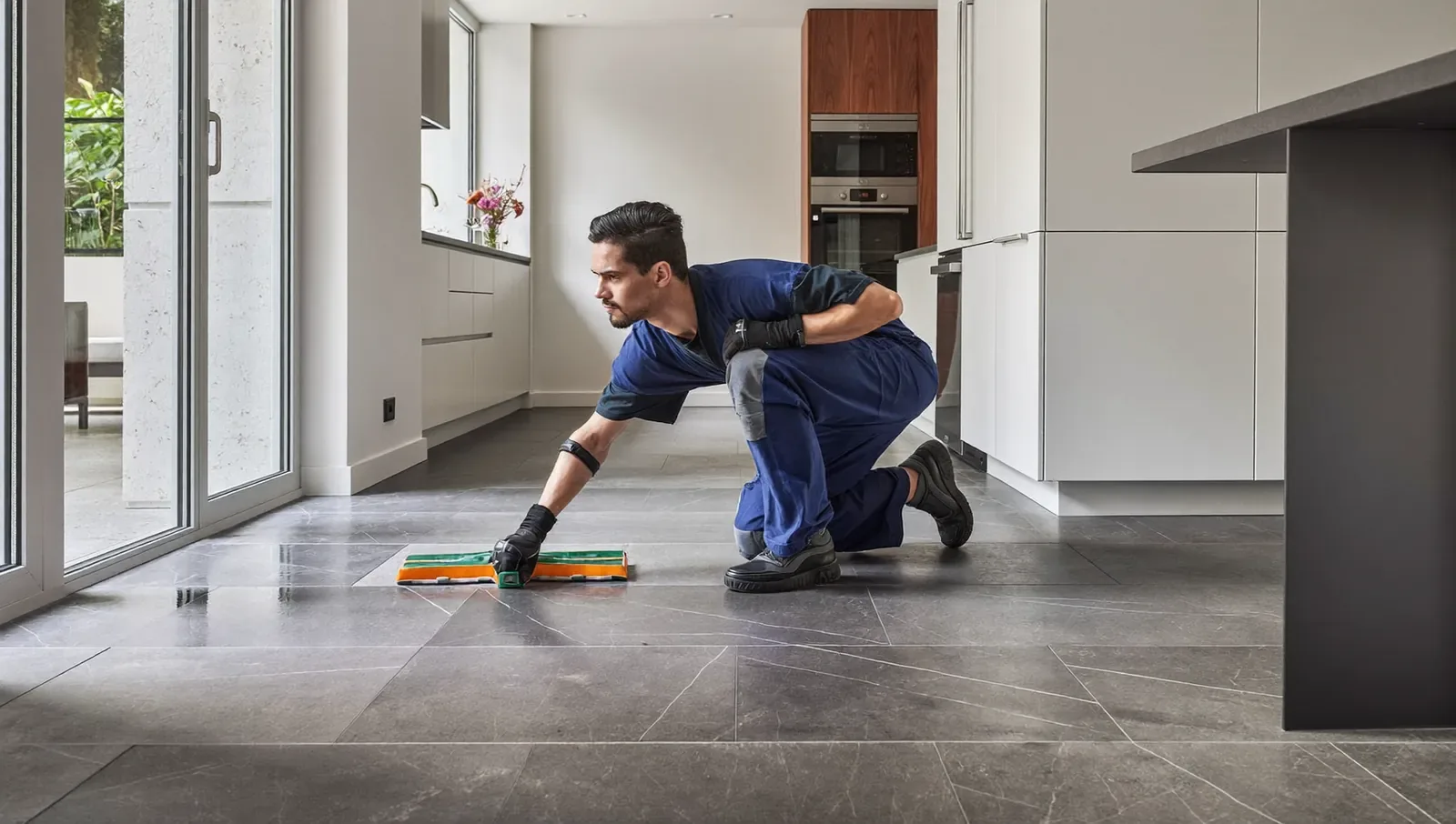
Tile Floor Sealing
Protection for suitable unglazed, porous and textured tiles after surface testing and preparation.
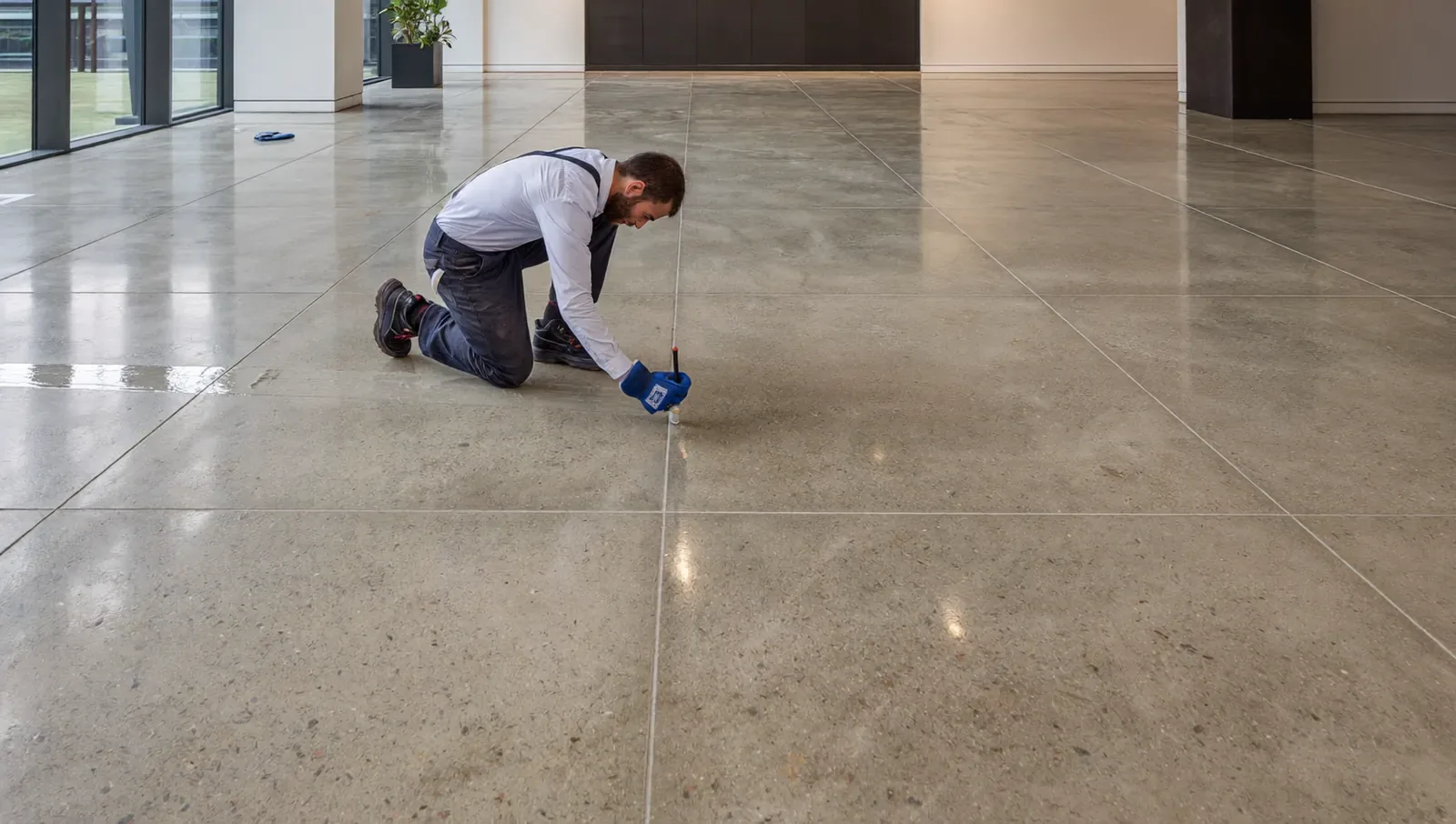
Concrete and Cement Floor Sealing
Surface preparation and suitable concrete protection selected according to use, finish and porosity.
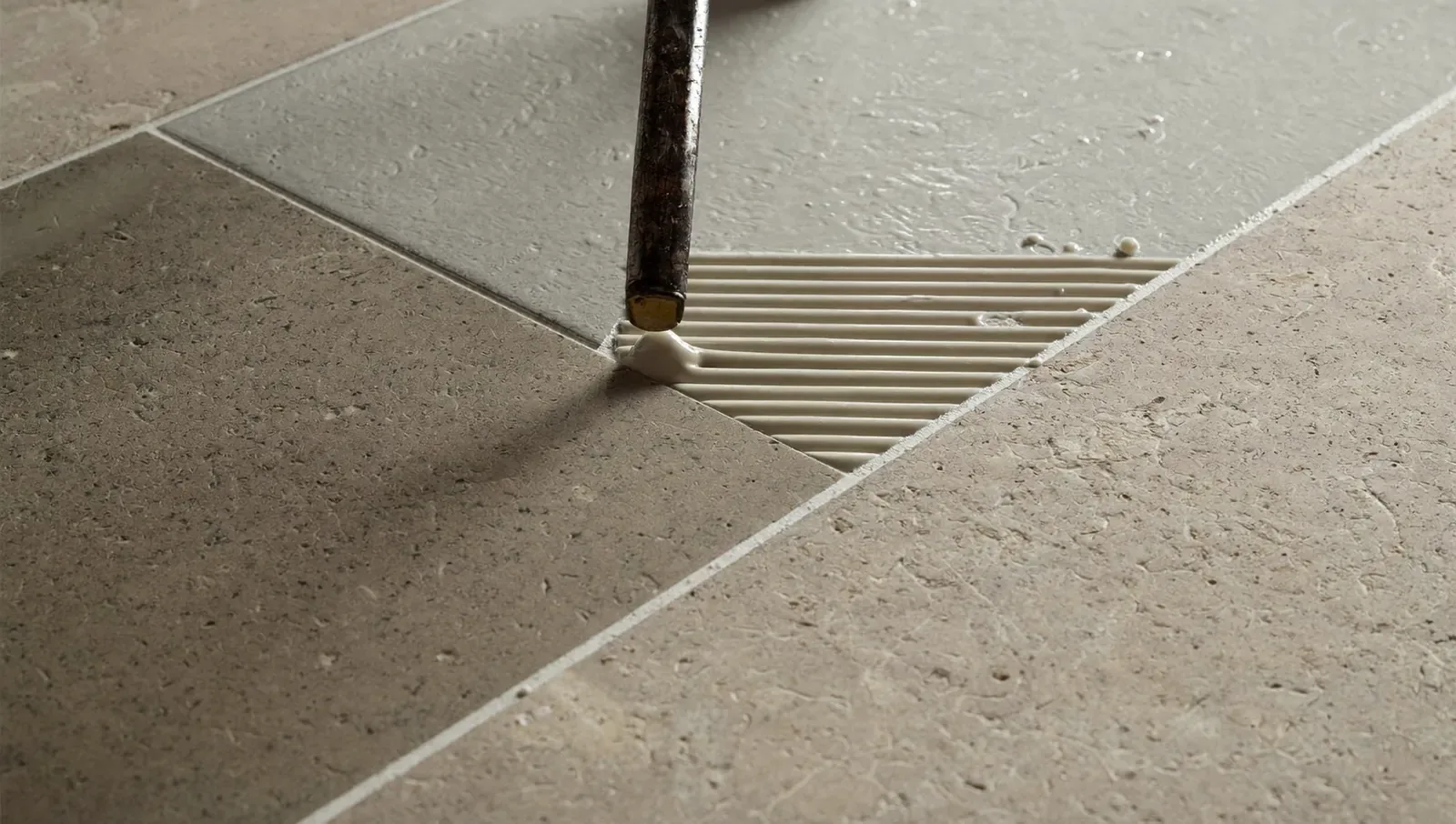
Grout Sealing
Targeted protection for clean, dry grout joints to reduce future staining and simplify maintenance.
The Difference Correct Preparation and Sealing Makes
A professional sealing service should leave the floor clean, consistent and easier to maintain—not glossy, sticky or uneven unless a suitable finish has specifically been selected.
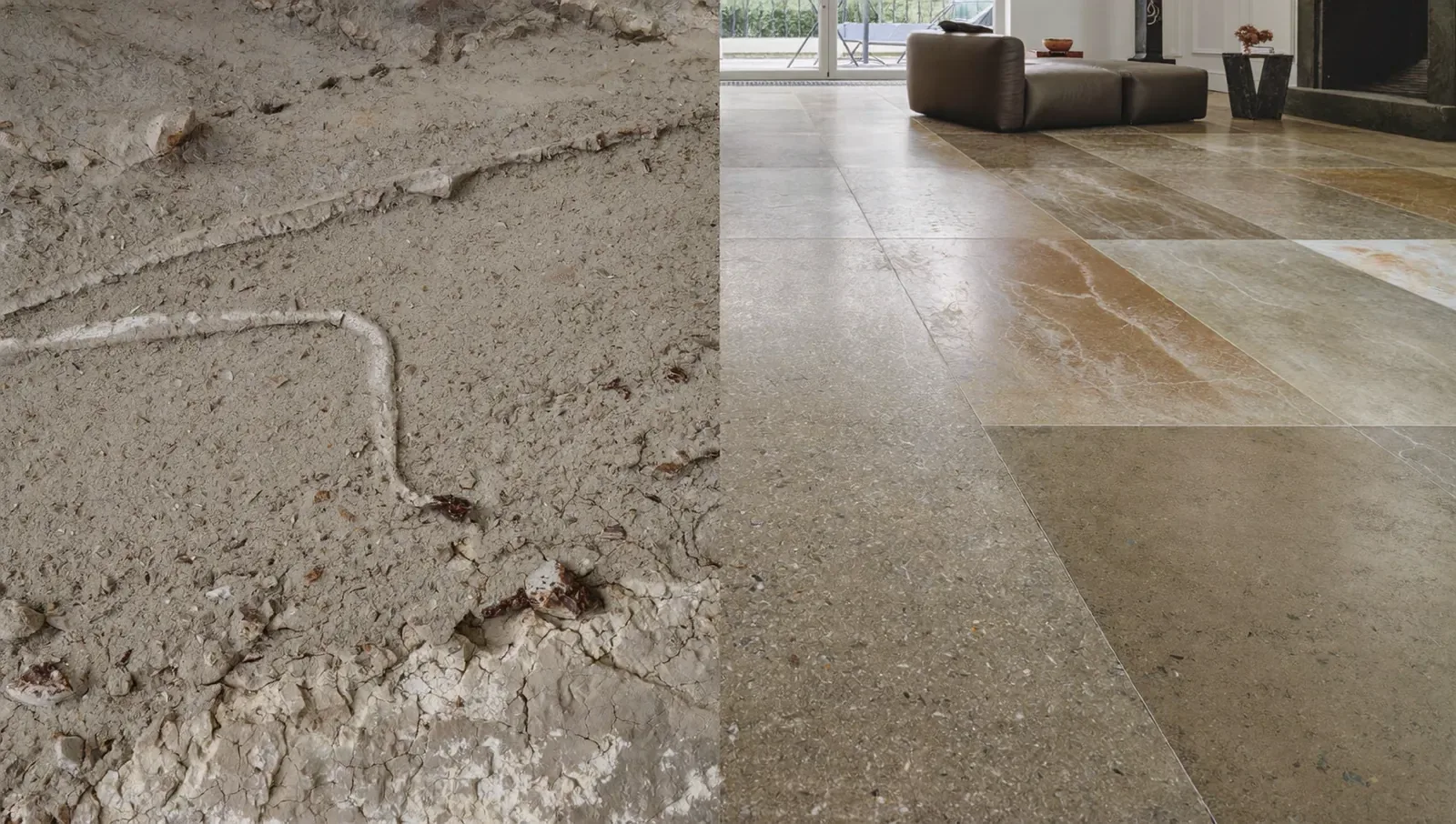 Before
 After
AfterCorrect cleaning, drying and sealer selection produce a more consistent result and reduce future absorption.
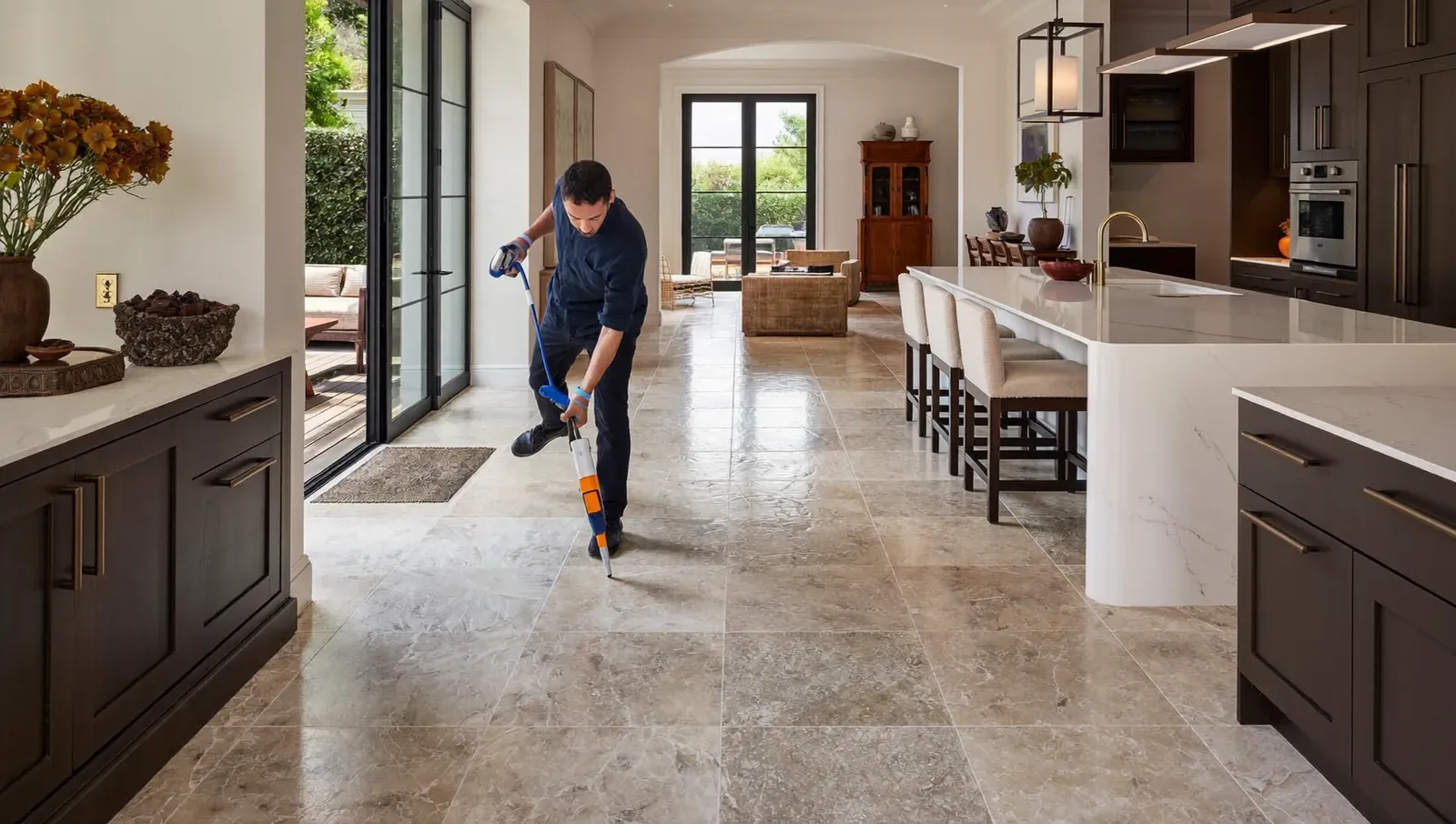 Residential
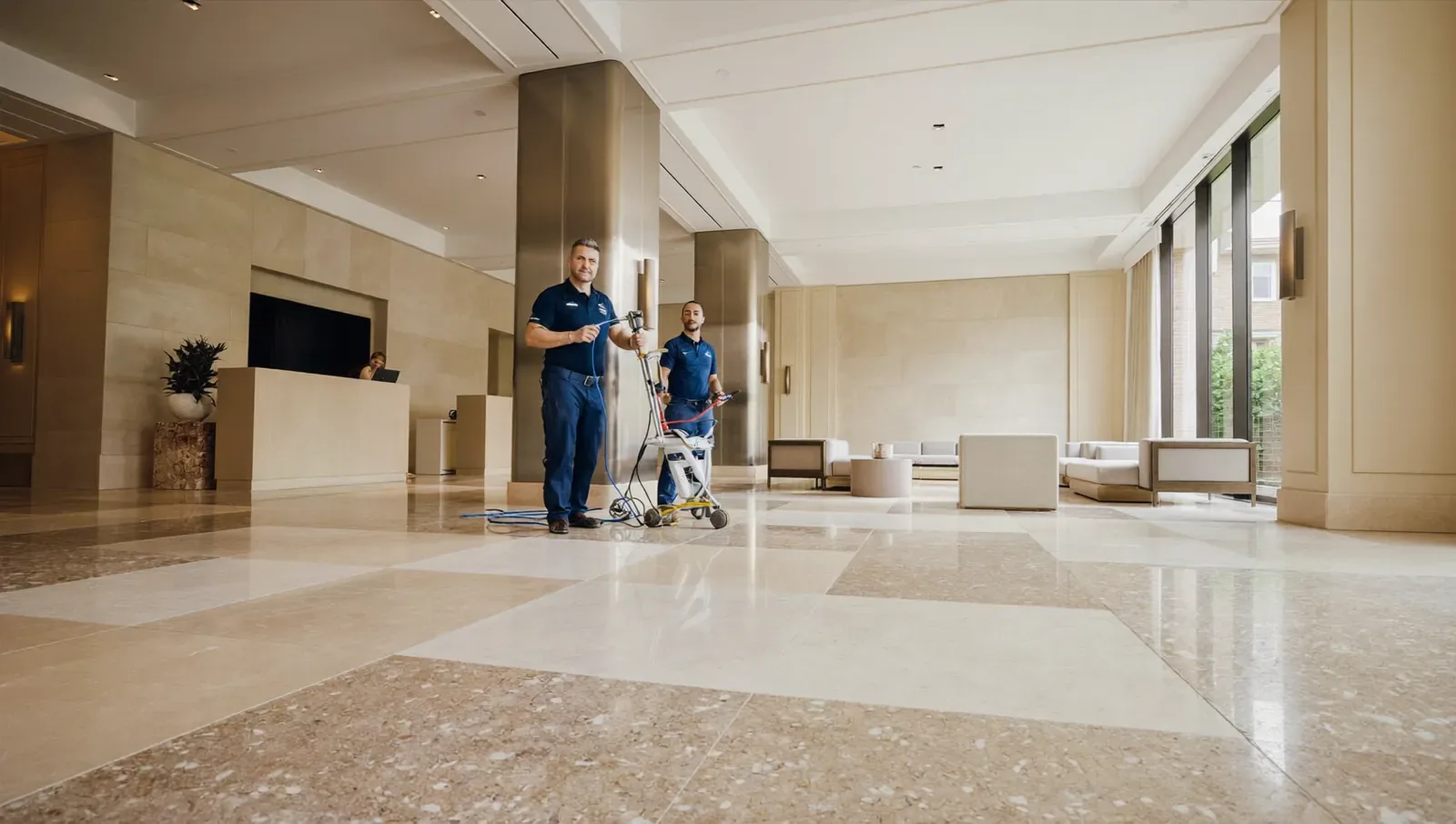 Commercial
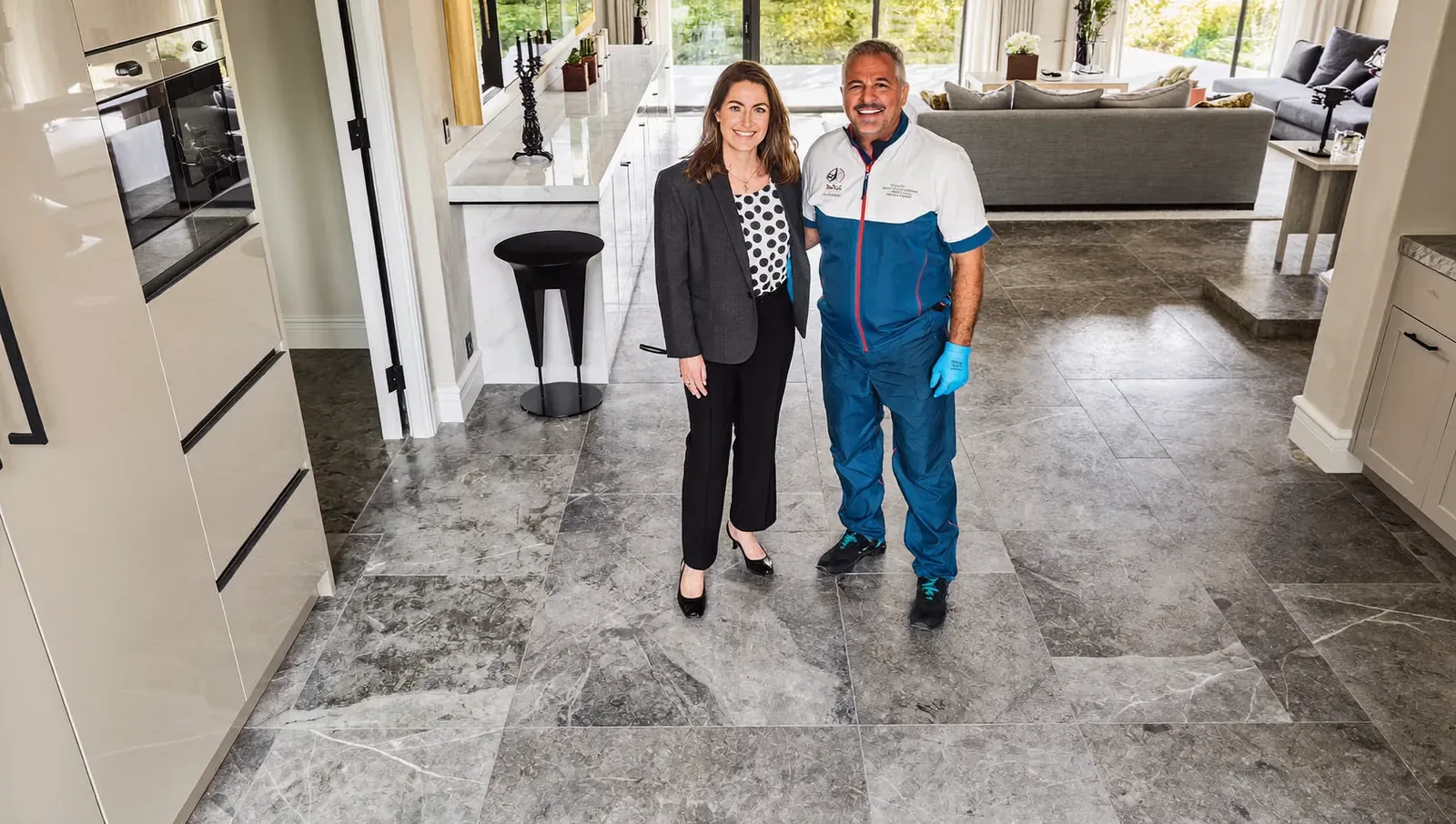
We adapt preparation, access and curing guidance to homes, offices, hospitality venues and managed properties.
Floor Sealing Services Across London
We accept residential and commercial floor sealing enquiries across Central, West, North, South, East and Greater London.
What Our Customers Say
Place the Trustindex shortcode immediately after this HTML widget.